Master DIY Kitchen Installation with Expert Tips

Updated: Oct 13, 2025
Taking on a kitchen installation yourself can be a game-changer. It saves money, gives you control, and delivers a sense of accomplishment. But it requires planning and a little bit of know-how. Follow these steps to transform your space with confidence and skill.
Plan Your Kitchen Layout Thoroughly
Start with a clear plan. Measure your space carefully. Sketch your kitchen layout on graph paper or use a digital tool. Consider the work triangle - the distance between your sink, stove, and fridge. This layout boosts efficiency and comfort.
Think about storage needs. Include cabinets, drawers, and pantry space. Plan for appliances and plumbing. Don’t forget lighting and electrical outlets, map out where everything will.
Create a timeline. Break the project into stages: demolition, plumbing, electrical, cabinetry, and finishing. Set realistic deadlines. This keeps you on track and reduces stress.
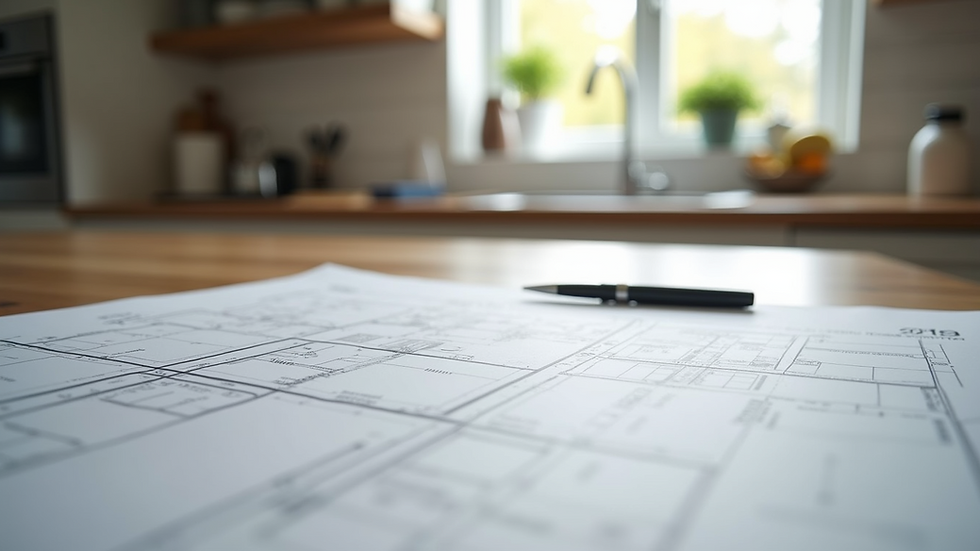
DIY Kitchen Installation Tips for Success
Choose quality materials. Flat-pack kitchens offer affordability and style. They come with pre-cut parts, making assembly easier. Use a reliable supplier like You Screw It for high-quality flat-pack kitchens.
Gather the right tools. Essential items include a drill, screwdriver set, spirit level, tape measure, clamps, and a saw. Having everything ready before you start saves time and frustration.
Follow instructions closely and prepare accordingly. Don’t rush. Take your time to ensure accuracy.
Use a spirit level constantly. Cabinets must be perfectly level and plumb. Even small errors cause doors to misalign and drawers to stick. Check after every major step.
Secure cabinets to wall studs. Use a stud finder to locate them. Anchoring cabinets to drywall alone won’t hold the weight. This step is critical for safety and durability.
Label parts as you unpack. This keeps assembly organised. Lay out all pieces and hardware. It helps you spot missing items early.

How Expensive Is It to Install a Kitchen?
Costs vary widely depending on size, materials, and whether you hire tradespeople. Doing it yourself cuts labour costs significantly. Here’s a rough breakdown:
Flat-pack kitchen units: $3,000 - $15,000
Benchtops: $500 - $5,000
Sink and tapware: $200 - $800
Appliances: $1,000 - $5,000
Tools and hardware: $200 - $500 (if you don’t already own them)
Plumbing and electrical work: $500 - $2,000 (if hiring professionals)
DIY installation can save thousands. But factor in your time and skill level. If you’re confident and prepared, the savings are worth it.
Budget for unexpected expenses. Old plumbing or wiring may need upgrades. Walls might require repairs after demolition. Plan a contingency fund of 10-15% of your total budget.

Prepare Your Space Before Installation
Clear the kitchen completely. Remove old cabinets, appliances, and fixtures. Protect floors and adjacent rooms with drop cloths or plastic sheeting.
Check walls and floors for damage. Repair cracks, holes, or uneven surfaces. A smooth, stable base ensures cabinets fit correctly.
Turn off water and power. Safety first. Shut off the main water supply and electrical circuits before starting any plumbing or wiring work.
Mark wall studs and plumbing points. Use a stud finder and pencil. This helps when fixing cabinets and connecting sinks.
Ventilate the area well. Dust and fumes from demolition and adhesives can be harmful. Open windows and use fans if possible.
Install Cabinets and Fixtures Step-by-Step
Start with the upper cabinets. Mount a ledger board on the wall to support them during installation. This keeps them level and steady.
Attach cabinets to wall studs using long screws. Check alignment with a spirit level. Adjust as needed before tightening fully.
Install base cabinets next. Use shims to level them on uneven floors. Secure them to the wall and to each other for stability.
Fit benchtops after cabinets are secure. Follow manufacturer instructions for fixing and sealing edges.
Connect plumbing fixtures last. Install sinks, taps, and drainage. Test for leaks before closing up.
Finish with hardware - handles, knobs, and trims. These small details complete the look.
Final Touches to Perfect Your Kitchen
Check all doors and drawers for smooth operation. Adjust hinges and runners if needed.
Seal gaps between benchtops and walls with silicone. This prevents water damage.
Clean the entire area thoroughly. Remove dust, debris, and fingerprints.
Add lighting fixtures and switch plates. Consider under-cabinet lighting for better workspace illumination.
Step back and admire your handiwork. You’ve transformed your kitchen with skill and care.
Mastering a kitchen installation is within your reach. With clear planning, quality materials, and attention to detail, you can achieve professional results. Remember to use trusted resources like You Screw It for your flat-pack kitchen needs. Take pride in your project and enjoy your new kitchen space for years to come.


Comments